As a follow-up to the previous post, here are some thoughts about another (relatively) recently discovered text by Jamyang Khyentse Chökyi Lodrö.

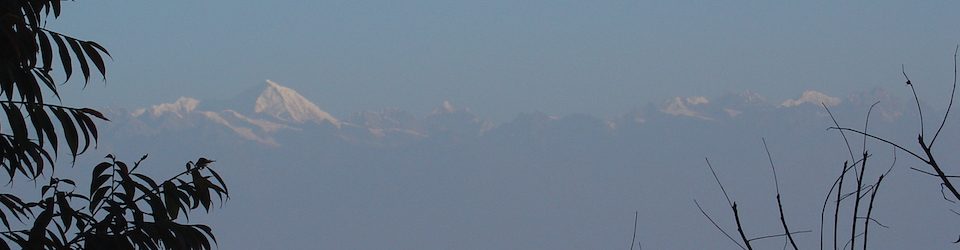
Photo: Stefan J. Gueffroy
A Guide to the Vairotsana Practice Place in Dzamnang (ཛཾ་ནང་བཻ་རོའི་སྒྲུབ་གནས་ཀྱི་དཀར་ཆག) concerns the sacred place of Pema Shelpuk (པདྨ་ཤེལ་ཕུག), or Lotus Crystal Cave, near Dzongsar Monastery.1 This is counted as one of the twenty-five great sites of Kham—indeed, it is described as the most exalted of them all. The site was first opened by Chokgyur Dechen Lingpa (1829–1870) and Jamyang Khyentse Wangpo (1820–1892) at the end of 1856 at the time when the pair also revealed the Three Sections of the Great Perfection (rdzogs chen sde gsum) terma cycle there.2 That cycle includes a guide or catalogue/inventory (dkar chag) that describes the qualities of the place and the benefits of practising and circumambulating there.3
Jamyang Khyentse Chökyi Lodrö’s own short guide focuses on the Vairotsana cave at the site. The text tells us that this is where Vairotsana practised, that the Three Root deities are actually present there, and that further treasures lie hidden, waiting to be revealed.
Continue reading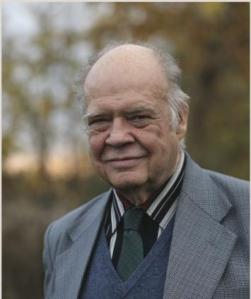 The following points, derived from Gene Smith’s Among Tibetan Texts by Kurtis Schaeffer, were shared at Columbia University’s panel discussion on the future of Tibetan studies after Gene Smith.
 During a recent visit to the offices of TBRC, I was fortunate enough to glimpse Gene Smith‘s famous ‘notebooks’, the painstakingly typewritten transcripts of texts and interviews, with their own particular system of colour coding, capitalisation, underlining and marginalia. Many pages feature handwritten corrections and further notes added at a later date. Most of the books are leather-bound in green with titles on the spine. There appeared to be at least fifty in the office, but there might be others elsewhere. Jeff Wallman estimated that they represent about twenty years of work.
 Adam S. Pearcey
You must be logged in to post a comment.