One of the most common stylistic devices in Tibetan Buddhist literature—and one which poses a particular challenge for the translator—is the embedding of a lama’s name in a verse (or verses) within a text, often as part of an opening homage. As Leonard van der Kuijp has pointed out, this has Indian antecedents and could be regarded as an example of paronomasia (Tib. sbyar ba’i dpe; Skt. ślesopamā),1 or, more simply, punning or wordplay.
Embedded words are sometimes highlighted in the original text with sublinear marks known as nges bzung nyi zla’i rtags—emphatic sun and moon signs. The use of such marks is especially common in long-life prayers or texts of name bestowal, such as this. At times, however, the name is not highlighted, and it is up to the reader to identify it. This can be challenging, especially since Tibetan lamas often have multiple names, and it might not always be the most common one that is used. The ideal reader (and translator) must therefore be familiar not only with the author’s life and works but also with the life(/lives) and works of that author’s teacher(s).
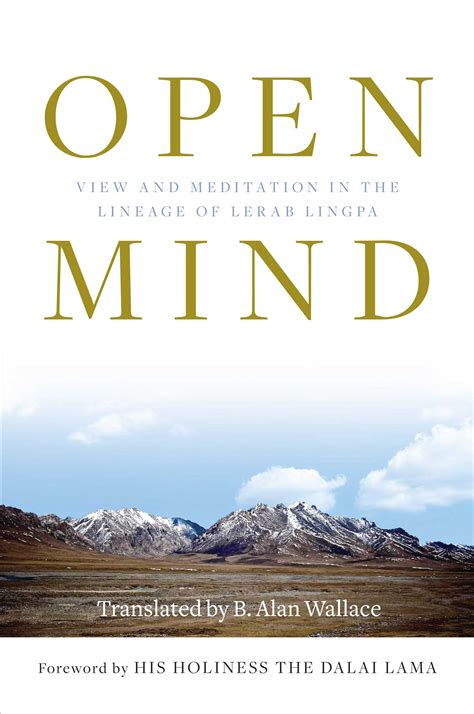
Open Mind: View and Meditation in the Lineage of Lerab Lingpa (hereafter Open Mind), translated by B. Alan Wallace, was published by Wisdom Publications in 2017. It contains writings by three masters: Tertön Sogyal Lerab Lingpa (1856–1926), and two figures described on the cover as his “close disciples”: Tsultrim Zangpo (alias Tulku Tsullo, 1884–c.1957) and Lobzang Do-Ngak Chökyi Gyatso (alias Tulku Sungrab or Kunzang Zhepé Dorje, 1903–1957). The latter figure is of particular interest here. He is someone I have written about several times in the past.2 His attempt to synthesise Geluk and Nyingma philosophy represents an unusual and intriguing form of non-sectarianism, one that has sparked the interest of the current Dalai Lama.
Continue reading

You must be logged in to post a comment.