
As a follow-up to the previous post, here are some thoughts about another (relatively) recently discovered text by Jamyang Khyentse Chökyi Lodrö.

Photo: Stefan J. Gueffroy
A Guide to the Vairotsana Practice Place in Dzamnang (ཛཾ་ནང་བཻ་རོའི་སྒྲུབ་གནས་ཀྱི་དཀར་ཆག) concerns the sacred place of Pema Shelpuk (པདྨ་ཤེལ་ཕུག), or Lotus Crystal Cave, near Dzongsar Monastery.1 This is counted as one of the twenty-five great sites of Kham—indeed, it is described as the most exalted of them all. The site was first opened by Chokgyur Dechen Lingpa (1829–1870) and Jamyang Khyentse Wangpo (1820–1892) at the end of 1856 at the time when the pair also revealed the Three Sections of the Great Perfection (rdzogs chen sde gsum) terma cycle there.2 That cycle includes a guide or catalogue/inventory (dkar chag) that describes the qualities of the place and the benefits of practising and circumambulating there.3
Jamyang Khyentse Chökyi Lodrö’s own short guide focuses on the Vairotsana cave at the site. The text tells us that this is where Vairotsana practised, that the Three Root deities are actually present there, and that further treasures lie hidden, waiting to be revealed.
Continue reading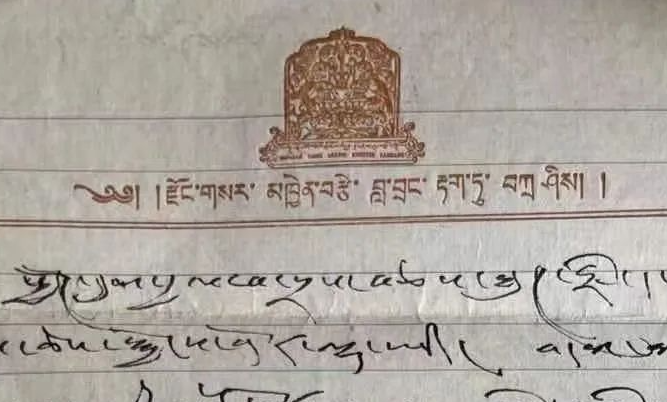
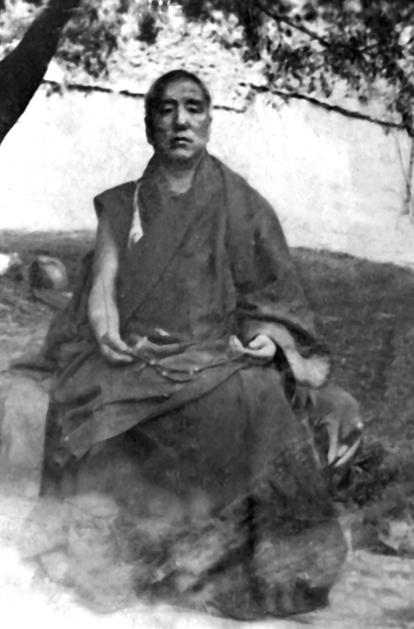
 This post is no more than a quick note to provide the dates of Rogza Sönam Palge (rog bza’ bsod nams dpal dge), who is known primarily as a teacher of yogic practices (tsa-lung) to Patrul Rinpoche (1808–1887) and also as one of the gurus of
  Several times in recent years, I have received queries about a text attributed to
  Or: The Radiant Sun that Banishes the Darkness of Uncertainty Concerning the Dates of the Great Master Katok Situ Chökyi Gyatso
 Who gets to be omniscient in Tibetan Buddhism? More to the point, who gets to be called omniscient or all-knowing (kun mkhyen), an epithet more readily associated with the Buddha himself?

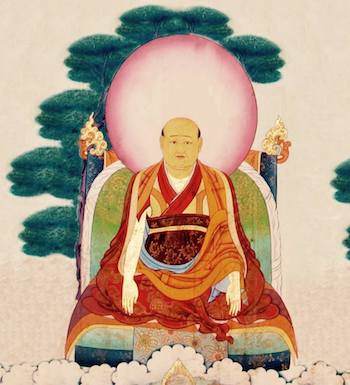 For English-reading fans of Dza Patrul Rinpoche (rdza dpal sprul rin po che, 1808–1887) these are bountiful times. July saw the publication of Matthieu Ricard’s collection of stories and texts,
 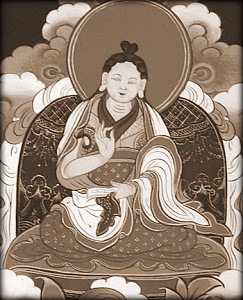 In
In  Adam S. Pearcey
You must be logged in to post a comment.