I have recently been reading the new translation of Mipham Rinpoche’s byang chub sems dpa’ chen po nye ba’i sras brgyad kyi rtogs brjod nor bu’i phreng ba by Lama Yeshe Gyamtso (A Garland of Jewels, Woodstock: KTD Publications, 2008). As the (Tibetan) name suggests, the text offers accounts of the lives and careers of the eight great bodhisattvas, also known as the ‘eight close sons’, compiled from canonical sources, mainly the sūtras. Not surprisingly perhaps, Mipham devotes considerably more space to Mañjuśrī than he does to the other bodhisattvas.
Methodology Guidelines from Padmakara Translation Group
In this season of lotsawa conferences, there is a lot of reflection and discussion about how lotsawas do their thing, all of it tying in quite neatly with the purpose of this site. In the spirit of this atmosphere of introspection, here is a set of guidelines laid out by the excellent Padmakara Translation Group on their burgeoning new site:
- Start by receiving transmission and explanation of the text from a qualified teacher
- Careful, painstaking translation of the meaning, with extensive research and study where necessary
- Submission of difficult points and doubts to competent teachers with a good knowledge of the text
- Double-checking of the draft translation by at least one other translator
- Careful editing and rewriting to produce a clear, readable style
- Final text proof-read and approved by a person who knows the subject and has a good command of the final language
Returning to the Source: Report on Translating the Words of the Buddha Conference
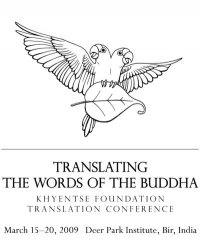 For five days in March, several lamas and many of the world’s leading Tibetan Buddhist translators came together at the splendid Deer Park Institute in the Himalayan foothills of Northern India for Translating the Words of the Buddha, an impeccably organized conference that was several years in the planning. The aim was to discuss the current state and future direction of Tibetan Buddhist translation, but as we arrived few of us had any idea what to expect.
Three Essential Lexicons
 Here’s one for fellow Tibeto-bibliophiles. Gene Smith of TBRC was recently asked for his pick of the ‘must have’ Tibetan dictionaries. These, I am told, were his ‘top three’: Continue reading
Finding the Proper Register
“One of the major challenges facing a translator today is to find the proper register in English, neither too formal and stylized nor too breezy and colloquial—language that is fresh and urgent and passionate, and at the same time dignified.”
From Chana Bloch & Ariel Bloch, The Song of Songs
Gene Smith’s Rules for Studying Tibetan Literature
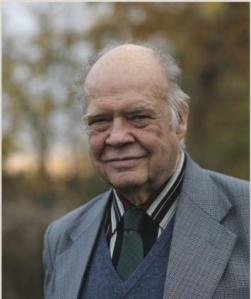 The following points, derived from Gene Smith’s Among Tibetan Texts by Kurtis Schaeffer, were shared at Columbia University’s panel discussion on the future of Tibetan studies after Gene Smith.
Know the breadth and depth of Tibetan history
Read single works for depth
Read collected works for breadth Continue reading
The Famous Notebooks
 During a recent visit to the offices of TBRC, I was fortunate enough to glimpse Gene Smith‘s famous ‘notebooks’, the painstakingly typewritten transcripts of texts and interviews, with their own particular system of colour coding, capitalisation, underlining and marginalia. Many pages feature handwritten corrections and further notes added at a later date. Most of the books are leather-bound in green with titles on the spine. There appeared to be at least fifty in the office, but there might be others elsewhere. Jeff Wallman estimated that they represent about twenty years of work.


You must be logged in to post a comment.